



Royal Order of Obeng II
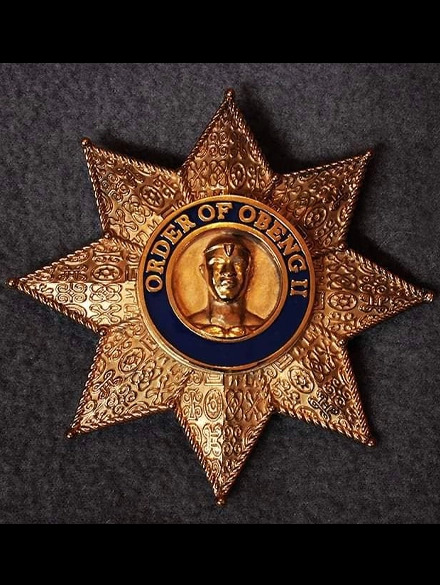
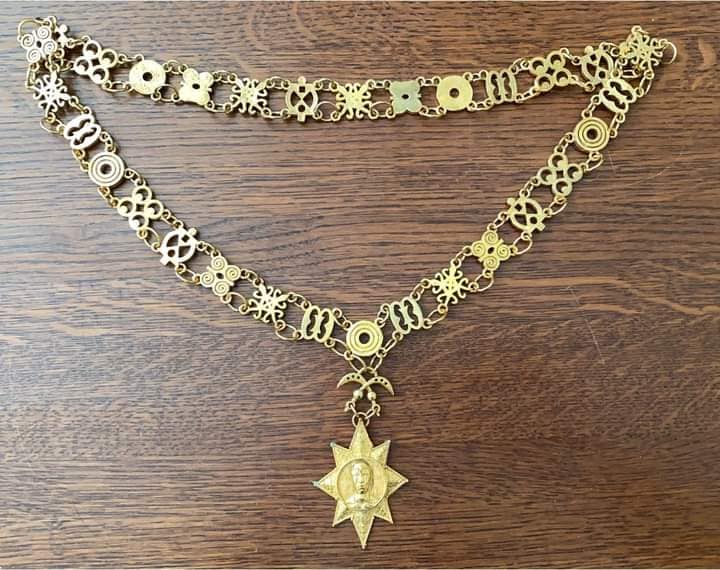
CONSTITUTION OF THE ROYAL ORDER OF OBENG II
(Obeng II Asafo a w" Sefwi Obeng-Mim Stool no ase)
A House Honor of the
Royal House of Sefwi Obeng-Mim and Divisional Stool
Sefwi Wiawso Traditional Area
Royal Order Constituted June 2020
Amended 2 November 2020
Amended 3 June 2022
Amended 20 February 2024
Revised and Consolidated 9 August 2026
ROYAL DECLARATION
Oheneba Nana Kwame Obeng II, Mimhene of Sefwi Obeng-Mim, Divisional Chief of the Sefwi Wiawso Traditional Area, Western North Region, Republic of Ghana, Having been duly nominated, elected, enstooled, and recognized under customary law; Having been elevated within the Sefwi Wiawso Traditional Area and registered with the National House of Chiefs; Having received ministerial confirmation of authority to bestow customary dignities under the Chieftaincy Act, 2008 (Act 759); Hereby declares and affirms the Constitution of the Royal Order of Obeng II.
PREAMBLE
The chieftaincy institution of Ghana is constitutionally protected under Articles 270–277 of the 1992 Constitution of the Republic of Ghana. Within Akan society, the warrior and service classes historically constituted a non-titled ennobled stratum, grounded not in European aristocratic rank but in merit, valor, loyalty, and distinguished service to the Stool and community.
Leadership within this noble class often arose from royal lineage; however, men and women of merit could rise into this standing through excellence and demonstrated service.
The Royal Order of Obeng II reflects this customary Akan noble tradition. It is not a European order of chivalry, not a peerage, and not a sovereign political institution. It is a traditional Akan noble association rooted in service, dignity, and stewardship.
ARTICLE I Name and Nature
- The civil honor shall be known as the Royal Order of Obeng II (ROOII).
- The Order is a traditional Akan noble institution of service within the Royal House of Sefwi Obeng-Mim.
- The Royal Order reflects a merit-based, non-titled ennobled standing under customary law.
- The Royal Order does not constitute:
- a European peerage,
- a military force,
- a political office,
- or a sovereign body.
ARTICLE II Fount of Honor
- The fount of honor of the Order is Oheneba Nana Kwame Obeng II, by virtue of lawful enstoolment.
- Authority to confer dignities derives from:
- Akan customary law;
- The Divisional Stool of Sefwi Obeng-Mim;
- The Paramount Chieftaincy of Sefwi Wiawso;
- Recognition by the National House of Chiefs;
- Recognition by the Republic of Ghana’s Ministry of Chieftaincy and Religion.
ARTICLE III Purpose
The Royal Order exists to:
- Recognize distinguished noble service to the Stool and people;
- Promote socio-economic development of stool lands;
- Encourage philanthropy and responsible stewardship;
- Uphold Akan values of integrity, discipline, honor, and communal responsibility;
- Strengthen lawful and culturally faithful engagement with the diaspora.
ARTICLE IV Noble Dignities and Precedence
Section 1 — Tufohene
The Chief of Sefwi Obeng-Mim serves as Tufohene of the Royal Order and is its constitutional head. The dignity of Tufohene is inherent to the Divisional Stool of Sefwi Obeng-Mim and is not a rank within the Order.
Section 2 — Nature of Noble Standing
The dignities of the Order reflect the Akan understanding of a merit-based noble warrior tradition.
Such dignities:
- confer customary Akan and Sefwi ennobled standing;
- do not create European-style aristocracy;
- do not convey sovereign authority;
- do not establish political office.
Except where expressly provided, dignities are personal and non-hereditary.
Section 3 — Recognized Dignities
The Order recognizes two principal dignities:
I. Adehye Kofo (Royal Warrior), Grand Collar of the Order of Obeng II (GCO)
- The Grand Collar constitutes the superior ceremonial dignity of the Order.
- It signifies exceptional stewardship and lifetime distinction.
- It may be conferred upon:
- recognized traditional rulers or royal house members;
- distinguished customary authorities;
- individuals of extraordinary lifetime achievement;
- exceptional members of affiliated Asafo institutions.
- It is personal and non-hereditary unless expressly associated with the Banner Award.
- It holds ceremonial precedence.
- Honorees may use the post-nominal: GCO
II. Onuonyamfo Kofo (Honorable Warrior), Grand Cross of the Order of Obeng II (KGCO)
- The Grand Cross constitutes the highest merit-based recognition of distinguished service.
- It is conferred upon individuals rendering extraordinary service to the Stool, community development, or Akan dignity.
- It reflects customary noble standing within the warrior tradition.
- It is strictly personal and non-hereditary.
- Honorees may use the post-nominal: KGCO
Section 4 — Order of Precedence
Ceremonial precedence shall be:
- Tufohene
- Adehye Kofo (Grand Collar)
- Onuonyamfo Kofo (Grand Cross)
Precedence reflects ceremonial dignity only.
ARTICLE V
Membership and Qualifications
- Members are recognized as Kofo, signifying noble warrior-servants.
- Admission requires:
- Minimum age of 25;
- Demonstrated moral integrity;
- Recognized social standing;
- Commitment to service.
- Advancement is based upon merit, not monetary contribution.
- Fraudulent claims of noble, academic, or royal status constitute automatic disqualification or degradation.
ARTICLE VI Financial Contributions
- Honorarium contributions support charitable and developmental works.
- Contributions do not purchase dignity.
- Honorees are expected to present the traditional Akan Annual Thanksgiving (aseda) in honor of the Divisional Chief and Paramount, in accordance with tradition, at the time of the Alluolue (Yam/Eluo) Festival.
ARTICLE VII Insignia
- Insignia shall be prescribed by the Tufohene.
- Wearing shall be limited to appropriate ceremonial settings.
- Wearing shall not conflict with Ghanaian or foreign law.
ARTICLE VIII The Banner Award of Obeng II
- The Banner Award, established on the 17th of April 2021, constitutes a singular hereditary titular dignity within the Order.
- It reflects the Akan tradition of the Frankaahene / Frankaahemaa, guardian of the Asafo banner.
- It may be conferred only upon a holder of the Grand Collar (Adehye Kofo).
- The holder may designate one heir aged 21 or older.
- Succession requires confirmation by the Tufohene.
- The dignity:
- is customary and titular only;
- conveys no political authority;
- reverts to the House if no successor is confirmed.
- A lawful spouse may receive a life-only courtesy recognition.
- Heraldic representation may incorporate approved Asafo symbolism subject to Chancellery oversight.
- The Banner Award may be withdrawn under customary prerogative.
10. Honorees may add an “B.” before the post-nominal GCO.
ARTICLE X Removal and Renunciation
- Any dignity may be withdrawn by the Tufohene under customary authority.
- A member may renounce a dignity in writing.
- The Omanhene retains overriding customary authority.
ARTICLE XI Amendments
This Constitution may be amended by the Tufohene in accordance with customary authority. Amendments shall be promulgated to members.
FINAL DECLARATION
The Royal Order of Obeng II stands as a customary Akan noble institution reflecting the historic non-titled warrior nobility of Akan society. It operates under lawful traditional authority and in harmony with Ghanaian constitutional recognition of chieftaincy.